
DEXTREME DUAL EDGE 7” FILLET KNIFE

Reviewed by: CAPT. MIKE SCHOONVELD

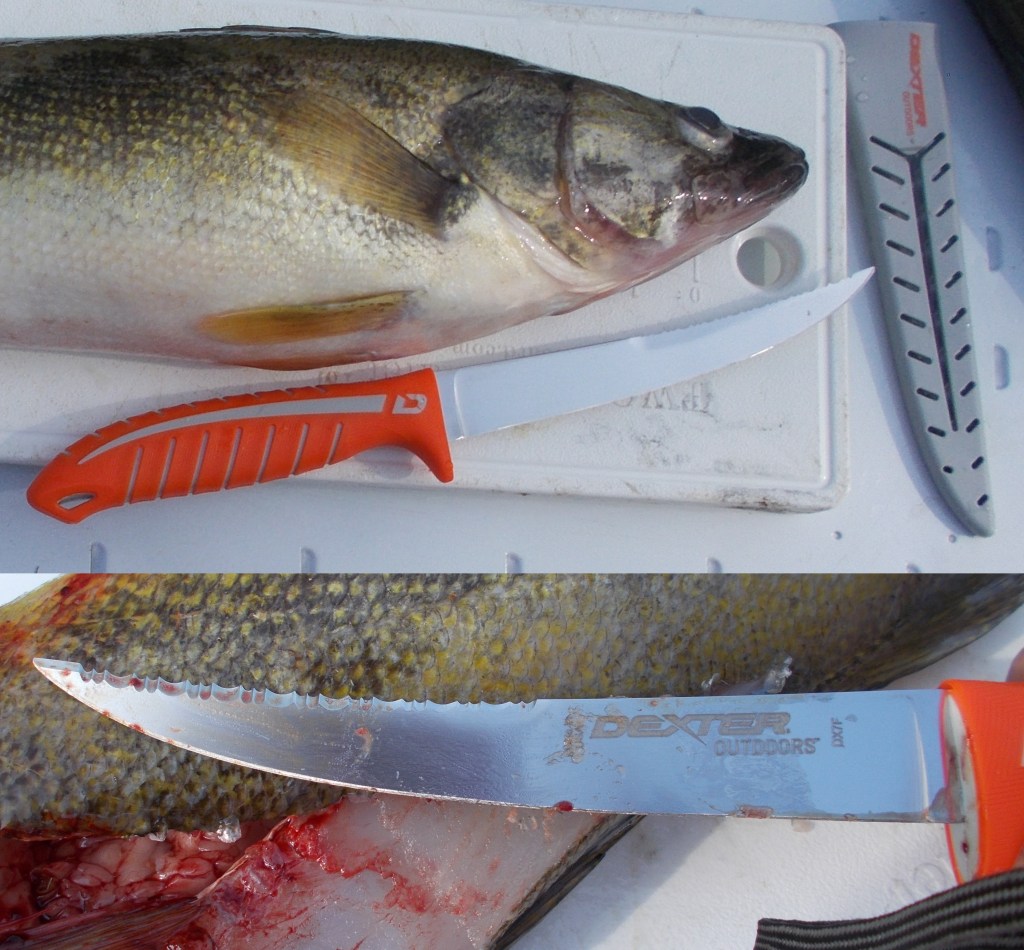
Look in the places where “professionals” are cleaning fish (or avid recreational anglers) you’ll see a Dexter knife in the hands of many of them. Look in my fish cleaning kit and you’ll see a Dexter knife in mine, for sure. I couldn’t guess the number of fish that tool has dissected. Now, look in my kit and you’ll see a second Dexter knife in it – not the familiar white-handled version most use – this one sports a bright orange, comfortable, non-slip handle. The orange handle looks good but that’s not what makes this knife unique.

The blade is made from Dexter’s proprietary (American made)  “Dexsteel,” the perfect blend of hardness to allow cleaning a limit of fish without needing sharpened, but not so hard that it takes an expert to put the edge back to factory sharp. Most of Dexter’s fillet knives are made from Dexsteel stainless, each one designed to provide just the right flex to produce perfect fillets. What’s unique on the Dual Edge is the tip-end on top side of the blade has a serrated, ultra sharp edge.

Dexter makes serrated bladed knives with what they call a Tiger Edge to use on frozen fish, extra boney fish or those with tough cartilage. Perfect if that’s kind of fish you encounter regularly, but it’s a specialty tool. The serrations on this dual edge knife isn’t there to be used all the time on most fish found in the Great Lakes, but occasionally, so when it’s needed, it’s there. I’ve used the serrations to cut through the wire-like bones on big walleyes and to cut through backbone on salmon I want to dress out as “steaks” rather than fillets. Mostly, however, if I miss a spot when cutting a fillet, or skinning it off, the top of the blade is sharp and I can finish the job with just a flick of the blade instead of having to change the angle or my grip to hit the spot with the regular sharp side. I selected the 7-inch blade, the perfect size walleyes and coho salmon – the fish that come aboard my boat most of the time. The 7-incher isn’t too long for perch or white bass, and it will handle the biggest kings and lakers we manage to hook when Lady Luck smiles our way.

I can’t say I’ve ever selected a knife just for the sheath that comes with it. Don’t buy this one just because of the sheath, either, but when you get one, you’ll love the fit. It’s plastic (not unusual) but when you slide the blade into the sheath, the handle sort of snaps in place just tight enough to keep the sheath in place as it rattles around in your cleaning kit, boat or the back of your tow vehicle.

Check out all of Dexters Knives and other products at www.dexteroutdoors.com. You can purchase them there, at retailers everywhere or at Amazon.com. 

VEXAN LIL SUPER CISCOES

Reviewed by: CAPT. MIKE SCHOONVELD

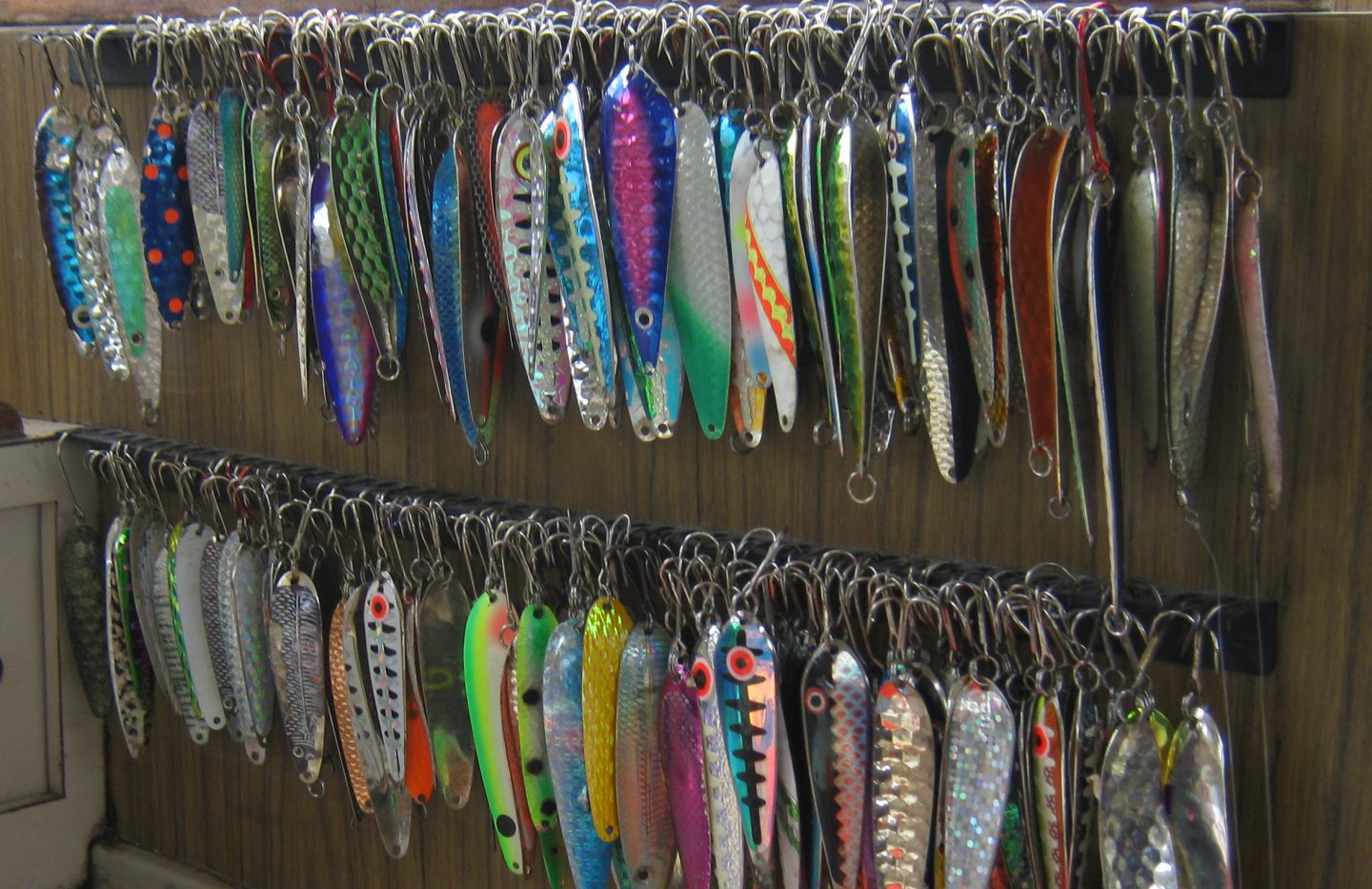
It must suck to be a shad. Every predator fish you share the lake or river with wants to eat you. That’s why I enjoy being at the top of the food chain when it comes to fishing. I know if I want to catch a fish to eat – and I’m not particularly picky about the fish I eat – I know where ever I’m at and whatever fish I want to catch, a good choice of lure to show to the fish is a shad-imitating lure. That’s what caught my eye when I found the Vexan booth at the ICAST show last summer. Among the rods, reels and other lures on display was a concise collection of shad-shaped diving crankbaits called Rattin’ LIL Super Cisco.

I tried fishing for cisco with them last fall at Grand Traverse Bay with little success, but that’s the only time and place they didn’t score. They did catch a steelhead and a lake trout in the bay. I caught plenty of cohos on them in southern Lake Michigan and using them with the 50 + 2 Method on the Precision Trolling App got them down to Lake Erie’s walleye last spring. The Chrome Perch color scored well early in the day and we did just as well with the Diesel and Kitty Kat patterns when the bright sun started penetrating into the depths.

Check them out at www.vexan.com. They are available at WalMart, Amazon.com and other outlets. 

CUDA LAMPREY CUTTERS


Reviewed by: CAPT. MIKE SCHOONVELD

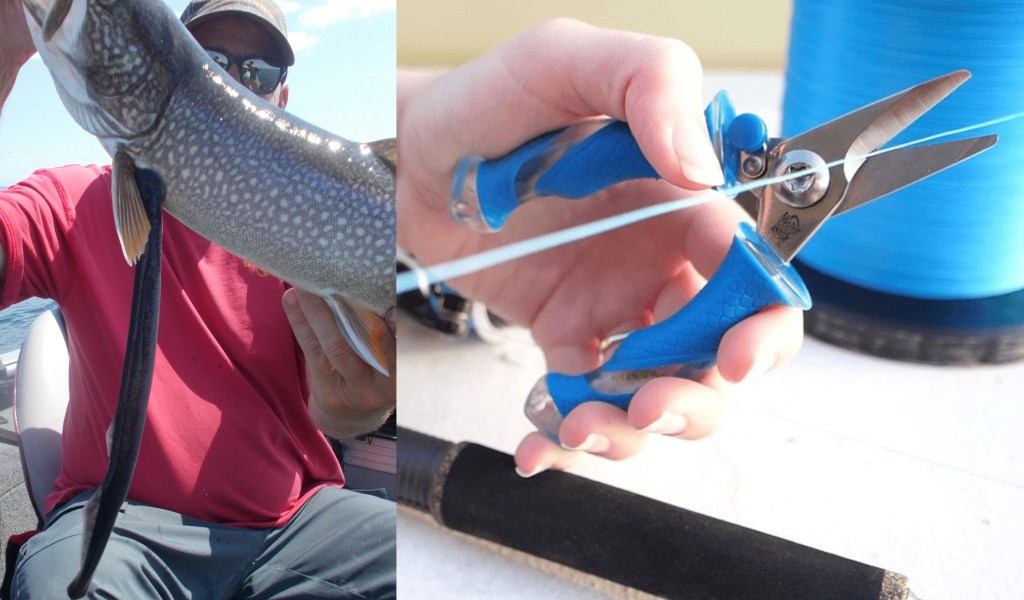
I only used this name because the first day I had the Cuda 5.25” Titanium Bonded Mini-Snips on the boat, the first thing they were used for was to decapitate a sea lamprey that came aboard on one of the fish we caught. Also, I called them lamprey cutters because the long name given this tool by Cuda seemed a bit cumbersome.

 When I first saw the cutters, using them to cut monofilament or fluorocarbon line didn’t pop into my head, either. What I thought of was that they’d make a perfect tool to snip the gills in the fish I planned to keep just after I caught them so the fish would bleed out as it died. Fish treated that way taste better in the long run, partly because they don’t have any blood coagulating in the meat and partly because the fish don’t have to be rinsed as thoroughly after being filleted. Bleeding the fish also makes clean-up at the fish cleaning station much easier.

 A pair of sturdy scissors is often the tool of choice for me and other anglers to cut through the gills but it takes a pretty hard squeeze to make the snip with most scissors. Notice how on the “lamprey cutters” the handles are large-hand-sized and the blades on cutters are relatively short. That delivers more power with less grip-strength needed. In use, (whether on the gills of a walleye, salmon or when beheading a lamprey) and easy squeeze does the job.

 They also do a perfect job of cutting mono and fluorocarbon line (and do a pretty good job cutting braid, as well.)  

 All the Cuda-brand tools I’ve ever used were well built and so are these. Cuda says the stainless steel parts of the tool are titanium bonded with zirconium blades. That means they are tough and sharp and will stay that way through many lamprey beheadings, gill clippings and years of cutting fishing line.  

 Cuda’s 5.25 Mini-Snips are widely available in retailers’ fishing tools sections, at online sellers or direct from Cuda at www.cudabrand.com.

KASTKING KALIBRATE

Reviewed by: CAPT. MIKE SCHOONVELD

Most anglers know they need to change their line on a regular basis and most fishermen know quality fishing line is expensive. The two things that can help cut those costs is to purchase line in bulk spools instead of reel-filler amounts and don’t remove all the line on each reel every time it’s time to swap it out. 

 Few anglers use all the line spooled on a reel. If that happens you probably need a bigger reel. That line at the bottom of the spool may not be as good as new, but since it is never subjected to the subtle degradation by UV light and it’s never brutalized by being stretched, cast and other normal wear and tear of just being used, why change it?

 If you buy a bulk spool, how do you know when you have removed enough line? If you buy a 300 yard spool and you want to split it between two or three reels, how do you split it equally? The only way to do it with precision is to measure the line. There are tools to do this.

 One of the tools is not a line-counter reel. LC reels only measure the number of revolutions the reel’s spool makes and the changing numbers on counter are approximations – at best! A revolution of a half empty spool will only hold a small amount of line compared to a nearly full spool.

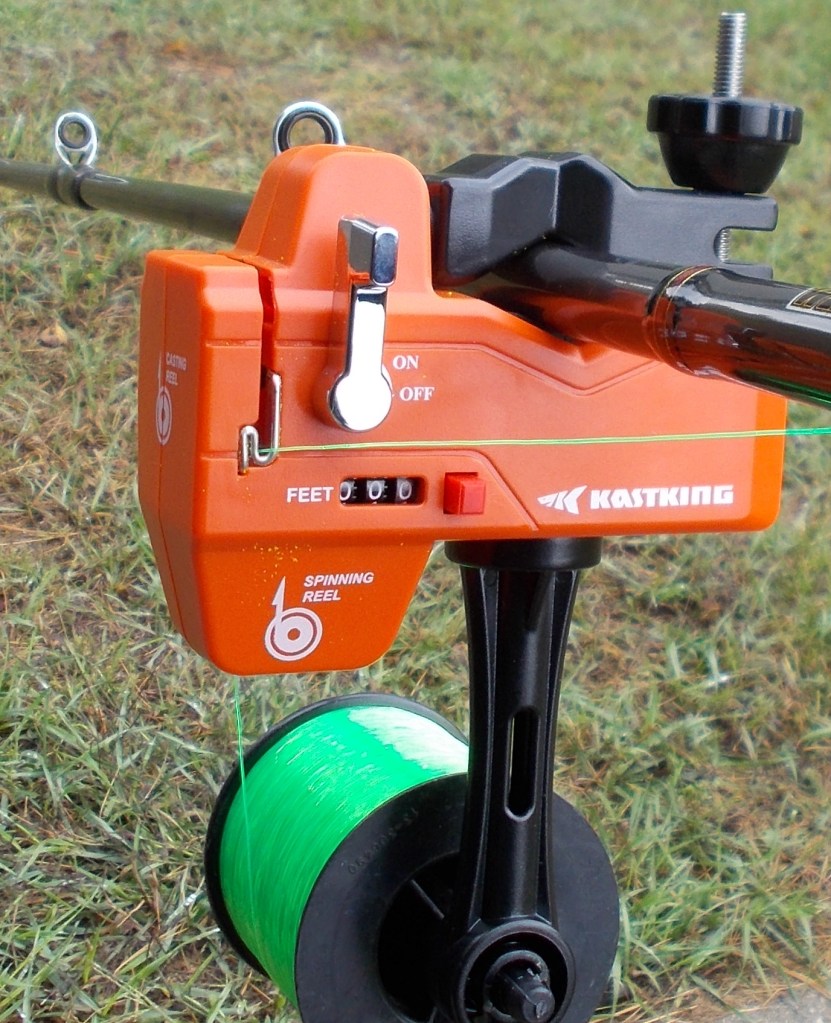
 One of the tools that will accurately measure the line spooling on or peeling off a reel is KastKing’s Kalibrate Line Spooler. (It’s designed to measure line being spooled on, but can easily be reversed to measure outgoing line.)  There are a lot of moving parts on this tool allowing it to be used for spooling with both spinning reels as well as revolving spool reels and on rods from heavy trolling to light carbon-fiber models – but it’s not complicated.

There are lots of line spooling tools available. Before I got the Kalibrate, I normally used a screwdriver punched through the arbor of a spool of line and clamped between my knees. There are a few line-counter tools that clamp onto a rod as well but the ones I’ve tried ranged from horrible to barely okay at best, for both ease of use and accuracy. The Kalibrate is the only model I’ve found that does both things and does both of them well.

The KastKing Kalibrate Tool is available at www.amazon.com or visit http://www.KastKing.com to see this tool and other KastKing products.